







Drying systems for the agricultural industry – efficient, gentle, future-proof

The quality and shelf life of agricultural products depend significantly on proper drying. Grain stored with too much moisture spoils due to mold, heating, and pests – grain dried at too high a temperature loses its germination capacity and baking quality. STELA Laxhuber has been developing drying systems for agriculture and the agricultural industry for over 100 years and covers every operational size with mobile and stationary dryers – from contractors to large collection facilities. Worldwide, around 43 million tons of free-flowing agricultural crops are dried annually with STELA systems.

What matters when drying agricultural products

Freshly harvested grain is a living product: it breathes, releases heat, and can only be stored for a few days if the water content is too high. Only drying to a safe storage moisture level stops biological activity and makes the harvested crop storable for months. Three factors determine the result:

  • Target moisture: It must be strictly maintained – too moist means spoilage, too dry means weight loss and thus wasted yield.
  • Drying temperature: Consumer goods can withstand higher temperatures, whereas seeds and malting barley require low temperatures to maintain germination capacity.
  • Uniformity: Only homogeneous airflow through the material being dried avoids damp spots and over-dried areas.

STELA dryers are designed for exactly these requirements and can be precisely adjusted to the product, harvest moisture, and target value.

Drying products – from grain to seeds

STELA agricultural dryers process the entire spectrum of free-flowing agricultural crops. Depending on the product and intended use, the design, temperature control, and air volume are individually adapted:

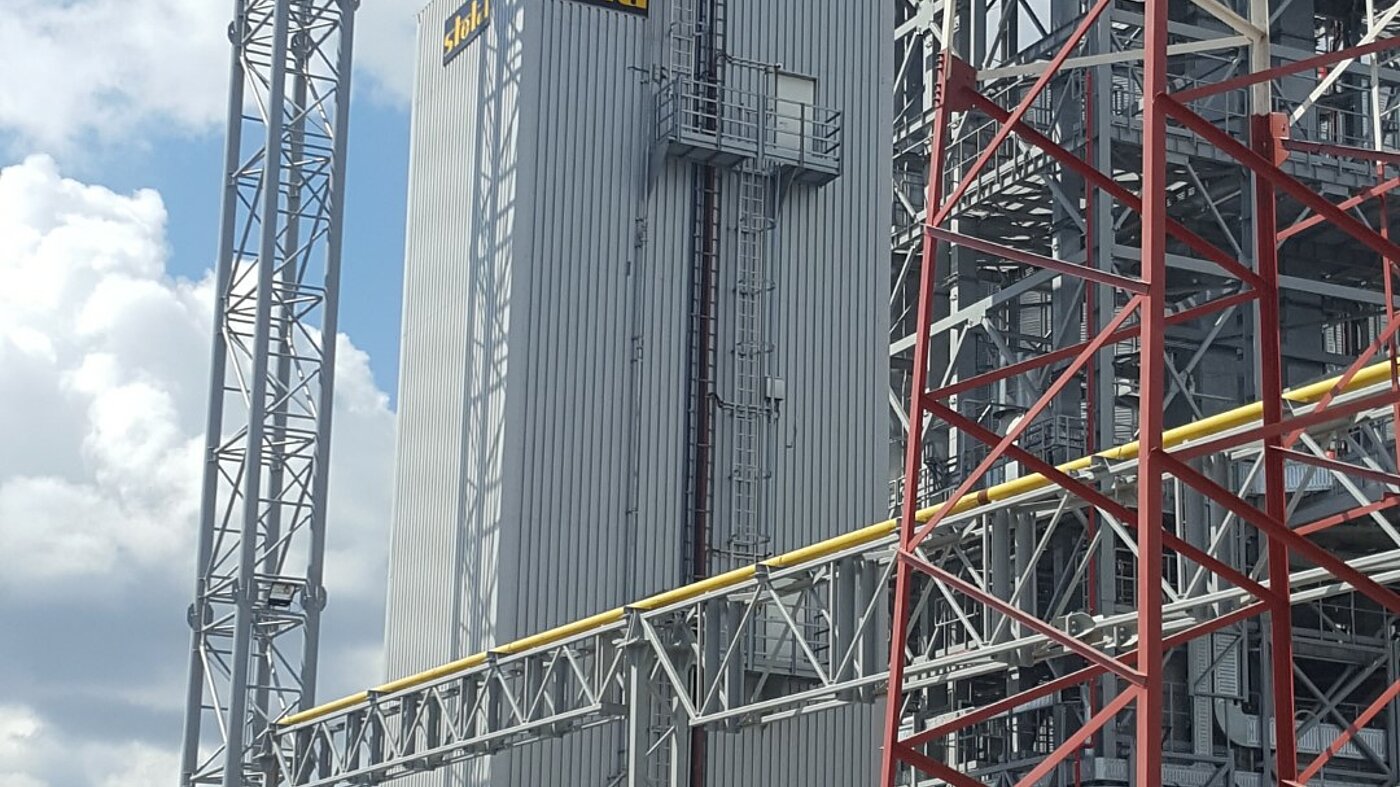
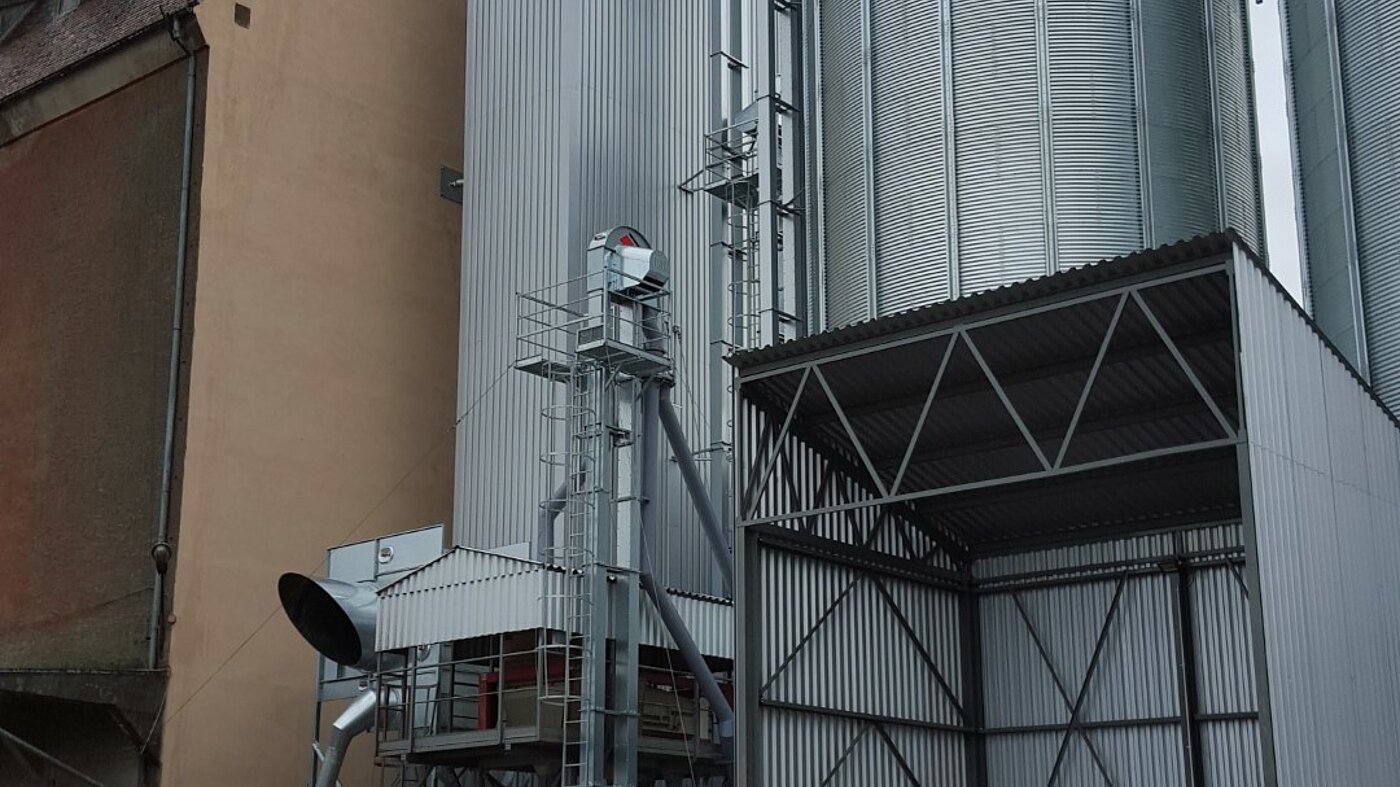
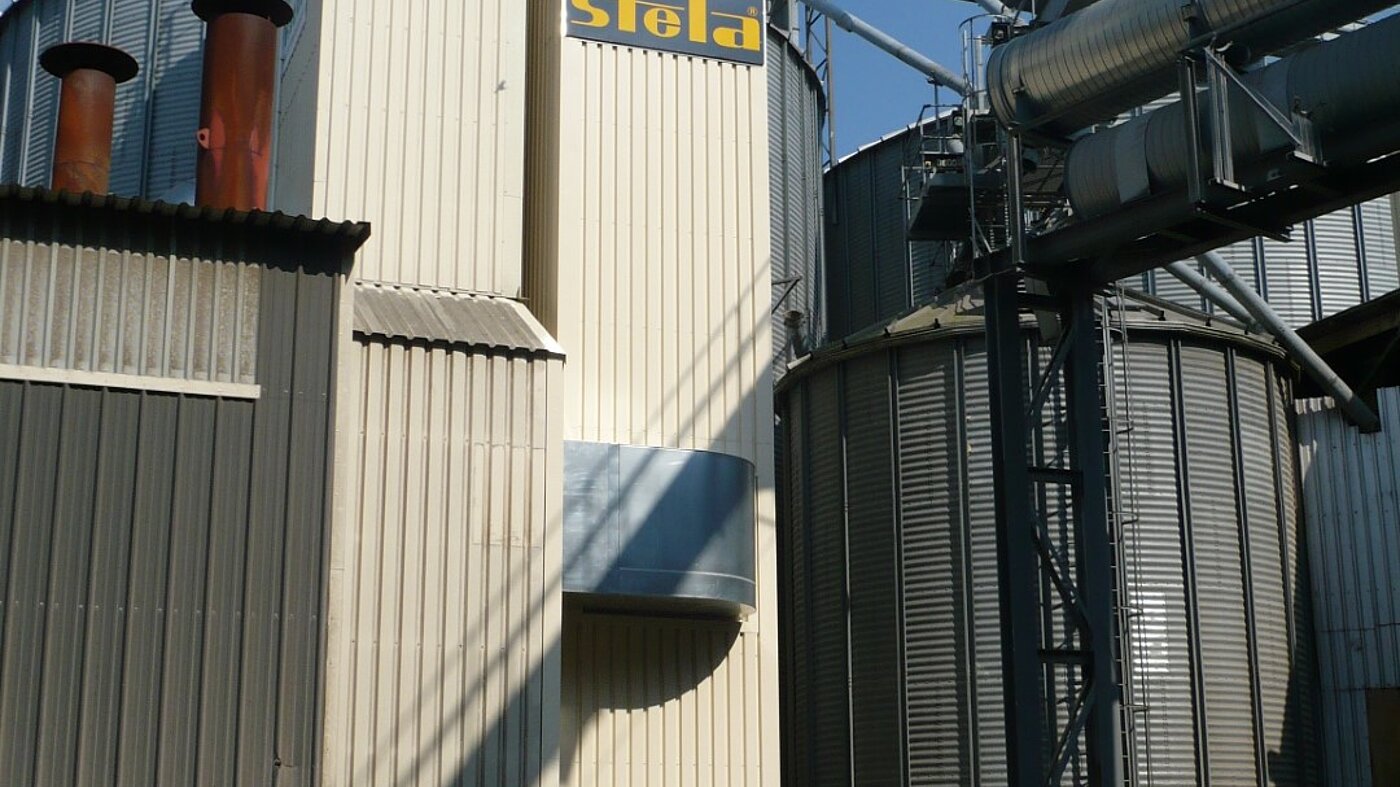
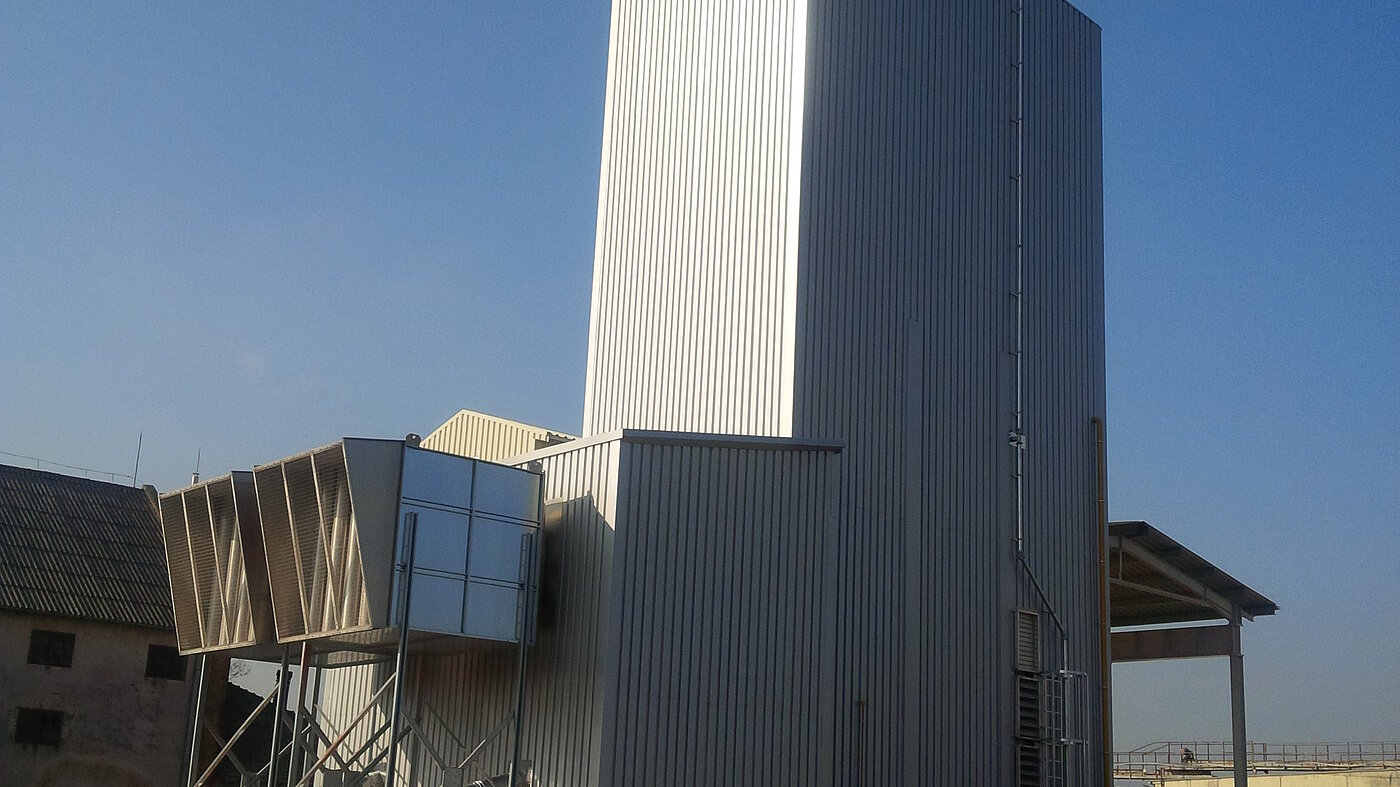
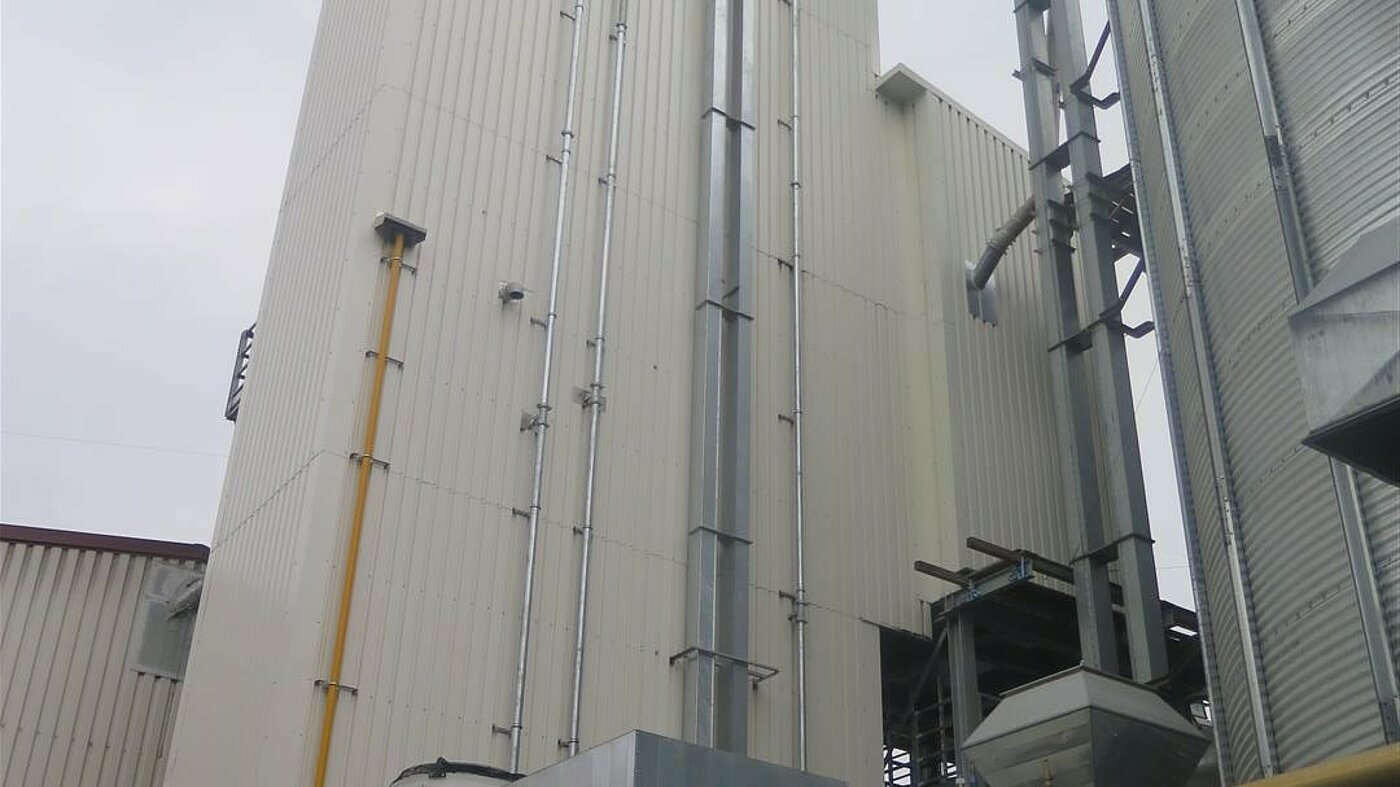
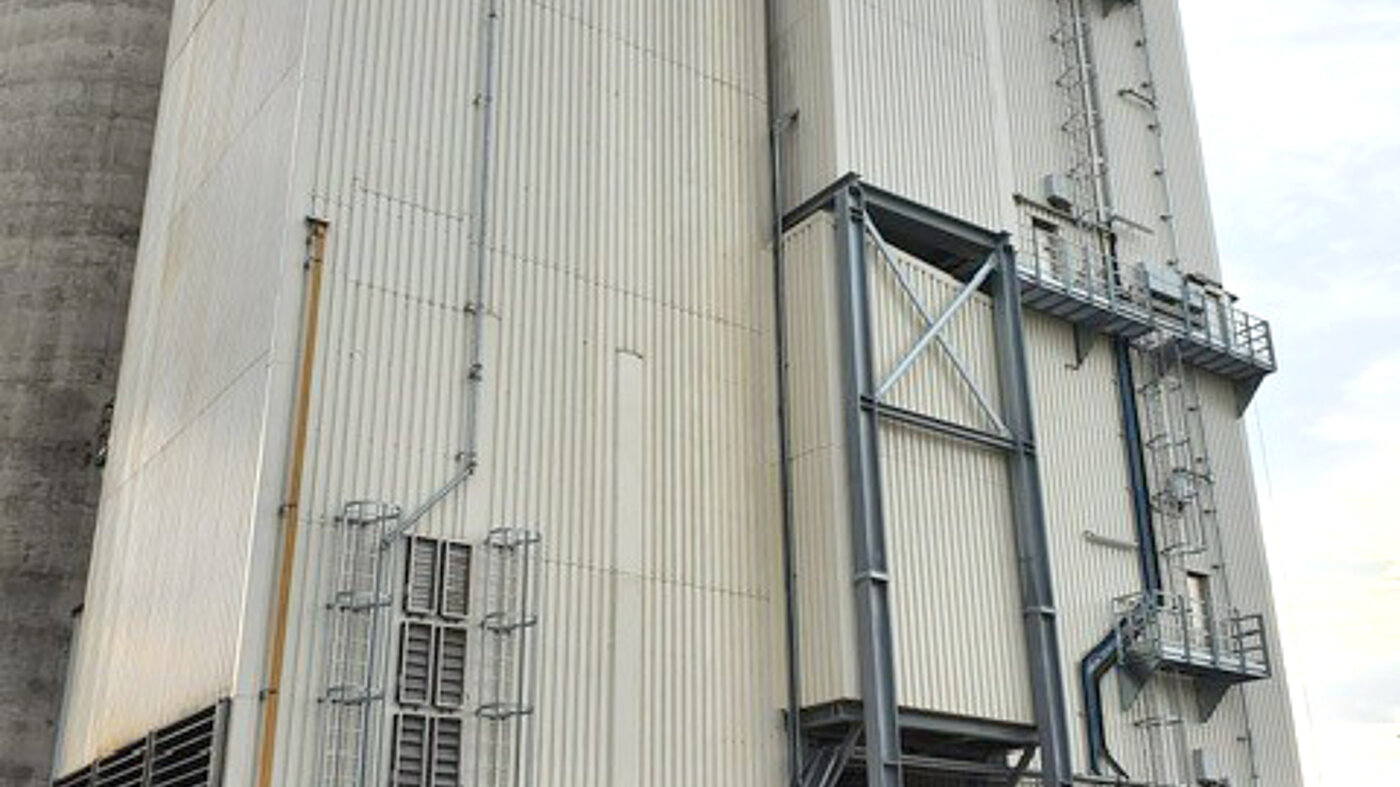
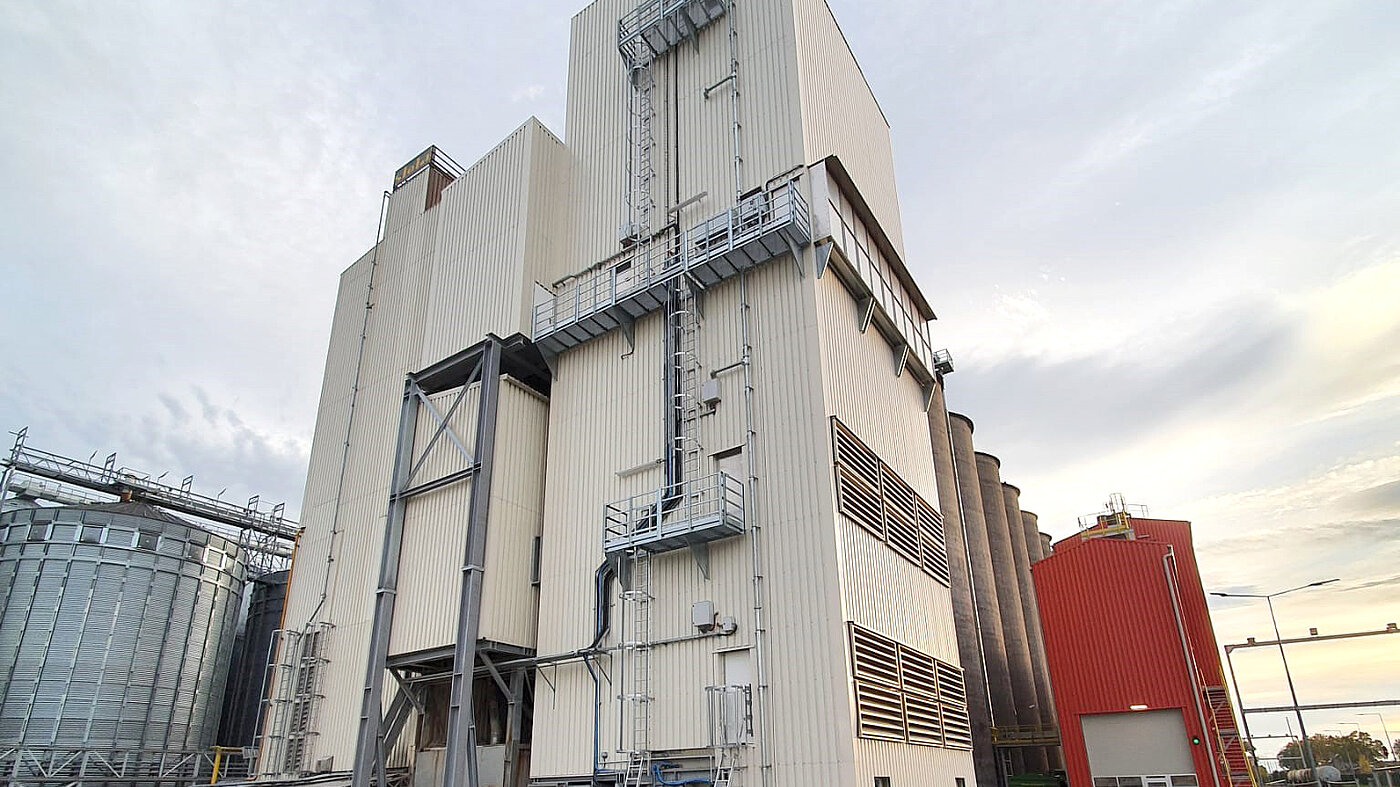
Stationary agricultural dryers AgroDry®

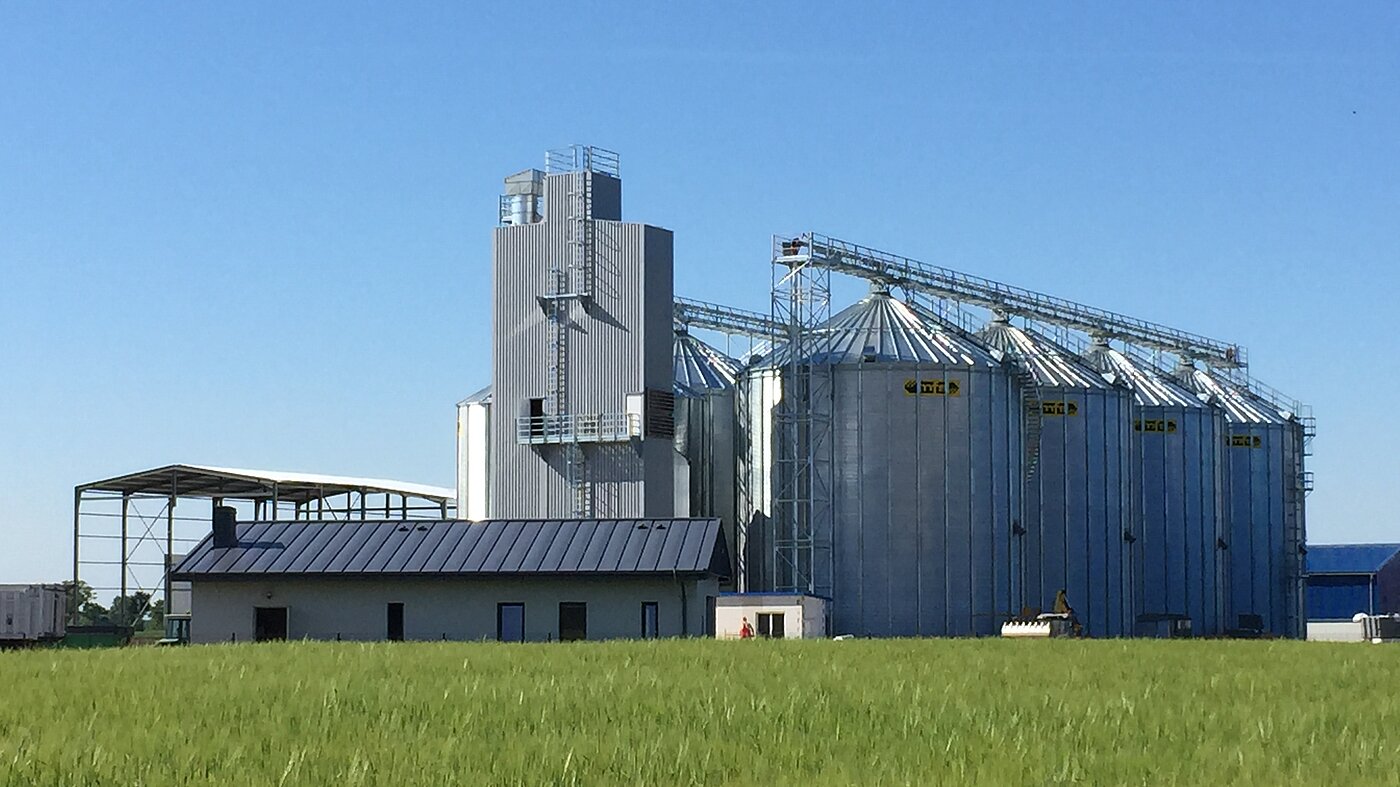
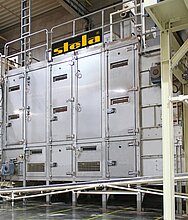
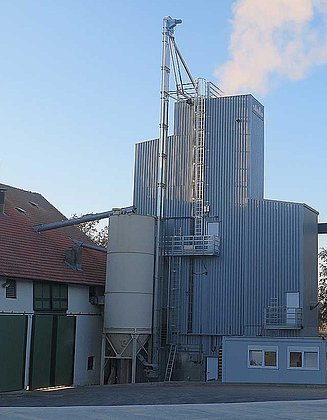
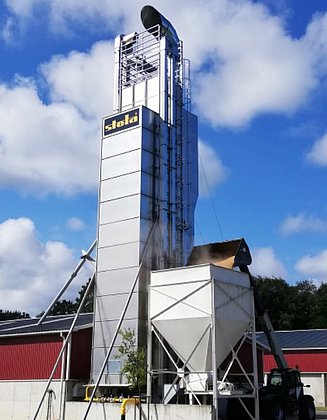
The stationary AgroDry® dryers are the solution for farms and collection centers with a permanent, high drying demand. They operate according to the proven roof-duct continuous flow principle: the free-flowing crop moves by gravity from top to bottom through the drying tower. Roof-shaped channels installed perpendicular to the direction of fall continuously mix the material and guide the warm air evenly through the entire grain stream – this ensures a homogeneous drying result without damp spots. An automatic final moisture control system regulates the discharge and ensures a constant target moisture.

Depending on the system size and energy concept, four progressive system levels are available – from the compact entry-level solution to the highly efficient large-scale dryer:

AgroDry® with exhaust air system – the compact entry-level solution

For smaller dryer capacities from about 20 m³ and throughputs from around 2 t/h. The exhaust air system can be equipped with passive heat recovery: the warm cooling air from the lower area is recirculated and efficiently preheats the fresh air. Also well-suited for the use of alternative heating methods.

AgroDry® with recirculation system – active heat recovery

For dryer capacities from about 44 m³ and throughputs from around 5.6 t/h. An additional recirculation fan actively mixes the cooling air and the low-saturated exhaust air as recirculated air into the warm air. Compared to pure exhaust air systems, this results in energy savings of around 12%.

AgroDry® with Biturbo system – maximum energy efficiency

For large systems from about 60 m³ dryer capacity and throughputs from around 7.7 t/h. With the Biturbo system, the material being dried is subjected to two-stage mixed air; the exhaust air can absorb up to 99% relative humidity. By reducing the warm air volume by up to 40%, a thermal energy requirement from 0.751 kWh/kg of evaporated water is achieved – up to 50% less energy than with conventional drying systems.

AgroDry® Hybrid – flexibly heated, fossil fuel relieved

The STELA hybrid heating system combines several energy sources – such as renewable fuels like biomass, wood chips, or pellets with conventional oil or gas, or waste heat from biogas plants and combined heat and power plants. The control system uses the most economical and environmentally friendly option in each case, thereby reducing the demand for fossil fuels, for example in energy-intensive grain corn drying. This lowers energy costs and CO₂ emissions at the same time.

Overview – stationary AgroDry® systems in comparison:

AgroDry® system

from dryer capacity

from throughput

Heat recovery
Exhaust air system

20 m³

2 t/h

passive or direct exhaust air
Recirculation system

44 m³

5.6 t/h

active (≈ 12% more economical than exhaust air)
Biturbo system

60 m³

7.7 t/h

active, up to 50% less energy

Depending on the location, direct or indirect firing via burners or air heaters is used as the heating medium – with oil, gas, superheated steam, hot water from combined heat and power generation, or alternative energy sources such as biogas and biomass. All systems are also adapted to the respective requirements regarding dust and noise emissions.

Mobile agricultural dryers

Mobile STELA dryers are the ideal solution for businesses that require high drying capacity but do not want to build a permanently installed system. They are delivered pre-assembled on a chassis or base frame, are ready for operation in the shortest possible time, and can generally be set up without a building permit. This makes them particularly attractive for contractors, growing businesses, and flexible location concepts. For many businesses, mobile drying also opens up a separate business model: they can utilize the system for contract drying operations and thus tap into an additional source of income.

Mobile belt dryer type BTLA – the flexible all-round solution

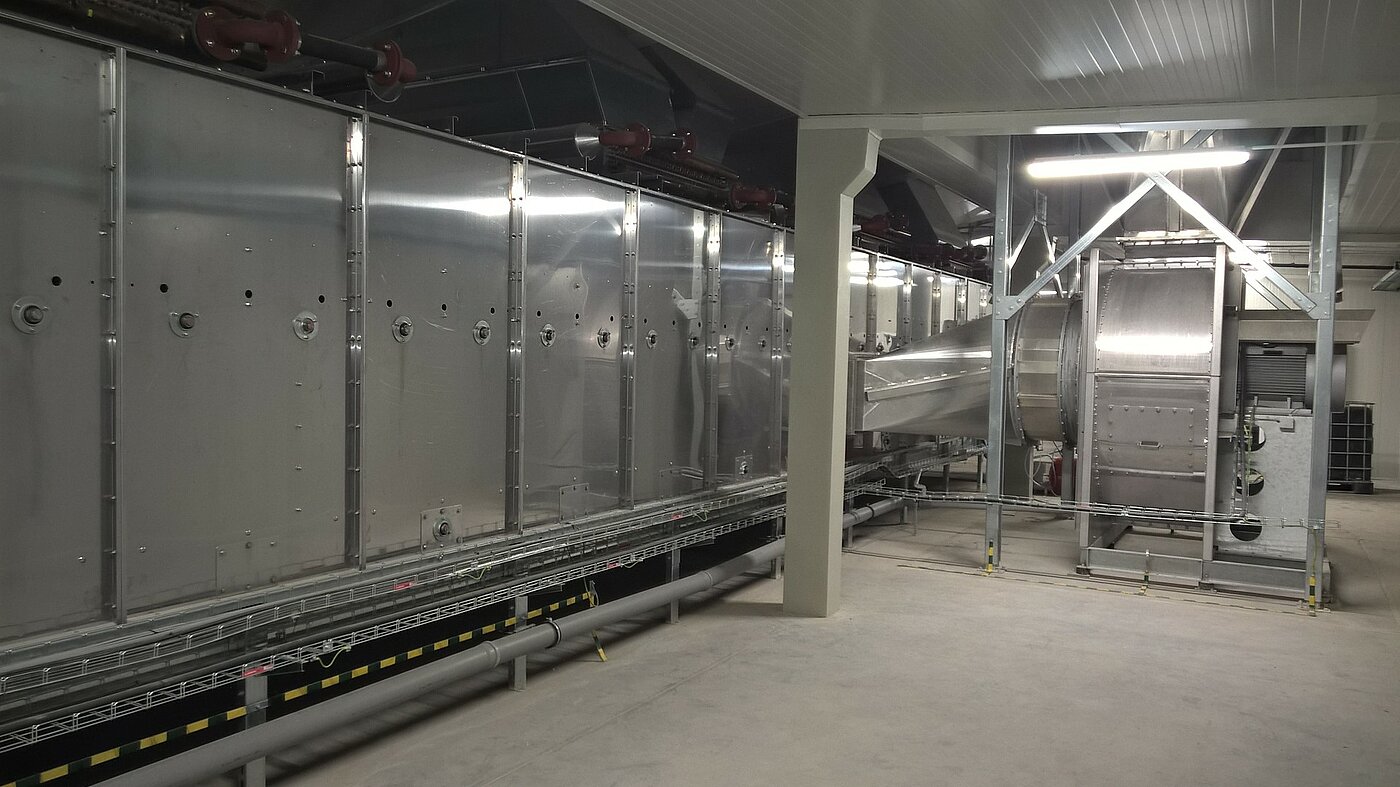
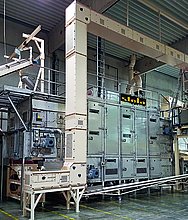
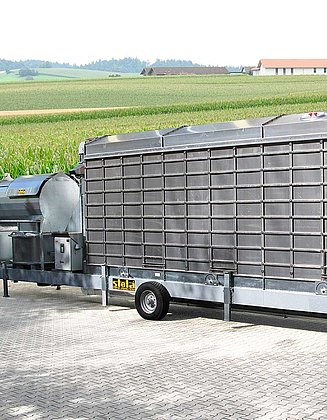
The BTLA combines the belt drying technology of STELA industrial systems with full mobility. Unlike stationary low-temperature belt dryers, the BTLA operates product-dependently with higher drying temperatures – corn, for example, is dried with supply air temperatures of up to 130 °C. In contrast to the stationary belt dryers BT and BTL, the BTLA is mounted on a base frame; the air technology is located on a separate chassis or its own base frame, depending on the system's equipment – this makes the system mobile and easy to assemble. Its great advantage is the product variety: in addition to classic agricultural goods such as corn or grain, the BTLA also dries more demanding products such as wood chips or grass seeds. Through this product change on the same dryer belt, the system can be utilized year-round.

The BTLA is currently available up to a drying zone length of 14 m and a width of 3 m – designed for transport.

Mobile recirculating dryer JUMBO – the latest, fully dedusted generation

The JUMBO is the latest generation of the STELA recirculating dryer, newly launched based on the proven MUF models. Its most important feature is the integrated dust separation: an innovative dedusting unit in accordance with the guidelines of the Federal Immission Control Act (BImSchG) ensures a clean working environment. The drying and cooling elements consist of high-quality alloyed aluminum; an automatic multi-therm system optimizes energy usage. Heating optionally direct, indirect, or as a hybrid system.

Available models:

ModelCapacity/day

Max. content

Connected load

Firing capacity

JUMBO 7060–70 t corn / 110–120 t grain

16 t

approx. 49 kW

1,160 kW

JUMBO 11090–110 t corn / 180–190 t grain

25 t

approx. 64 kW

1,744 kW

Performance data based on corn (cleaned, biologically mature wet goods, bulk density approx. 750 kg/m³) from 35% to 15% in 24 h or grain (approx. 780 kg/m³) from 19% to 15% in 24 h.

Mobile recirculating dryer MUF – robust and proven many times over

The MUF is the classic mobile batch recirculating dryer from STELA with a dryer body made of high-quality aluminum. Can be used without construction measures or permits, it allows for a quick change of location. Self-cleaning perforated plates allow for universal use for all types of grain – including rapeseed. When changing products, varietal purity is maintained; in contract drying, the customer receives their own goods back. Four sizes cover the needs from smaller businesses to contractors:

ModelCapacity/day

Max. content

Connected load

Firing capacity

MUF 4540–45 t corn / 65–80 t grain

10.5 t

approx. 18 kW

930 kW

MUF 7060–70 t corn / 100–120 t grain

16 t

approx. 30 kW

1,160 kW

MUF 110100–120 t corn / 150–170 t grain

25 t

approx. 49 kW

1,744 kW

MUF 170132–170 t corn / 264–300 t grain

44 t

approx. 68 kW

2,325 kW

Performance data based on corn (approx. 750 kg/m³) from 35% to 15% in 24 h or grain (approx. 780 kg/m³) from 19% to 15% in 24 h.

Universal mobile continuous dryer – continuous and compact

 The Universal is a mobile roof-duct continuous dryer with a suction system, whose main components are pre-assembled at the factory on a chassis. The system is set up on-site quickly and efficiently using hydraulics. Filled via a feed hopper and elevator, the product moves through drying and cooling elements that are traversed by roof-shaped ducts. For heat recovery, the warmed exhaust air from the cooling zone is mixed into the hot air stream. The pneumatic discharge ensures optimal flow behavior even with very moist wet corn. Even large systems of this type can be set up on-site in a few days.

Hybrid heating for mobile dryers

The mobile dryers can also be equipped with the STELA hybrid heating system, allowing for a partial switch to renewable energy sources or waste heat – this reduces fuel costs and CO₂ emissions without sacrificing mobility.

Waben Hintergrund

Which dryer for which operation? – A guide

The choice between mobile and stationary, as well as between the individual types, depends primarily on the harvest volume, product range, existing infrastructure, and energy concept:

  • Consistently high throughput, fixed location: stationary AgroDry® – the larger and more energy-critical, the more likely an air recirculation or Biturbo system.
  • Flexibility, contract drying, no plant construction: mobile dryers – JUMBO or MUF for classic grains, Universal for continuous flow.
  • Changing products incl. wood chips or grass seeds: mobile belt dryer BTLA as an all-rounder.
  • Low-dust installation in sensitive environments: JUMBO with integrated dust extraction according to BImSchG (Federal Immission Control Act).

If required, drying tests can be carried out in advance in our in-house technical center to determine the optimal system and configuration for the respective product.

Agricultural drying in practice

How farms and contract drying companies have solved their drying tasks with STELA – two examples show the range from mobile use to customized hall integration:

Hermine Brune Landhandel – mobile, low-dust grain drying with the JUMBO 70
For the agricultural trading company Hermine Brune, STELA developed a modernized new version of the JUMBO 70 mobile recirculation dryer. The focus was on a cleaner working environment during mobile drying: an integrated dust extraction unit in accordance with the Federal Immission Control Act (BImSchG) removes dust from the exhaust air. Despite the technical innovations, the maximum transport dimensions were maintained. Supplemented by a weighing system for precise process control and an Eco-Mode system with variable fan speed, the system dries grain and corn economically and energy-efficiently.

Murr Dienstleistungs GbR – lowered AgroDry® as a customized hall solution
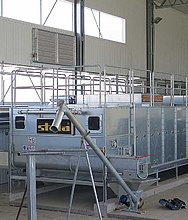
Murr Dienstleistungs GbR in Feldkirchen, Bavaria, wanted to replace an existing dryer from the 1980s and integrate it seamlessly into an existing hall. Due to the limited space, the stationary continuous dryer AgroDry® MDB-TN 1/7-S was partially sunk into the floor and equipped with a discharge screw conveyor coupled directly to the discharge hopper. The system is heated via an on-site wood chip biomass heating system, supplemented by a hot water heat exchanger for preheating. The result: corn is dried from 35% to 15% moisture, with a throughput of around 3 t/h – perfectly fitted into the existing infrastructure. The integrated hybrid system allows for an increase in the total system's performance if required, using an oil burner as a fossil auxiliary heater to achieve a throughput of up to 4.9 t/h.

Get in contact

FAQ

Frequently asked questions about grain and agricultural drying

To what residual moisture must grain be dried for storage?

For safe storage, grain should be dried to a moisture content of about 14% or less. For longer storage or higher temperatures, the rule is: the drier, the safer – from about 12% grain moisture, molds, microorganisms, and storage pests can hardly multiply. Oats are particularly sensitive and should be dried to around 12%. In addition to moisture, a cool storage temperature (if possible below 16 °C) and good ventilation are also important.

At what temperature is corn dried without damaging the quality?

For grain corn as consumer or feed goods, STELA dryers operate with supply air or drying temperatures of up to 130 °C. The decisive factor for product quality is not the air temperature, but the grain temperature: it must not exceed about 60 °C, as excessively high grain temperatures lead to cracking, brown grains, and loss of quality. Through product-specific temperature control, the grain is dried gently, while the higher air temperature ensures economical drying performance. Corn is dried to a storage moisture content below 14%. If the corn is to be used as seed, significantly lower temperature limits apply (see question on seed drying). STELA dryers regulate temperature control in a product-specific manner.

Which temperature must not be exceeded during seed drying?

Seeds and grass seeds must be dried particularly gently to maintain germination capacity. The grain temperature is the decisive factor: as a rule of thumb, it should not exceed 40 °C for seeds; for oilseeds like rapeseed, the limit is even lower at around 30 °C. In practice, the drying or supply air temperature may be higher, as long as the grain temperature is kept safely below these values. Even short-term overheating can significantly reduce the germination rate. Recirculating and continuous dryers with precise temperature control are suitable for gentle seed drying.

Which is better – a mobile or a stationary grain dryer?

That depends on the operation. A stationary dryer is worthwhile for a permanently high, regular drying demand at a fixed location – it offers the highest energy efficiency, especially with a recirculation or Biturbo system. A mobile dryer scores with flexibility: quick change of location, no complex construction measures, usually no building permit required, and ideal for contract drying or fluctuating quantities. Those who dry various products are well advised to use the mobile BTLA belt dryer. There is no blanket answer – the decision should be made based on harvest volume, product range, and existing infrastructure.

Does a mobile dryer need a building permit?

As a rule, no. Mobile STELA dryers such as MUF, JUMBO, Universal, and BTLA are mounted on a chassis or base frame and are therefore usually not considered a structural facility – this simplifies the approval process considerably or makes it unnecessary. However, the exact requirements depend on the location, the duration of installation, and local regulations (e. g. immission control). In case of doubt, the responsible authority should be involved at an early stage.

How much energy does grain drying consume?

Energy demand is usually stated in kilowatt-hours per kilogram of evaporated water. Modern, energy-efficient continuous dryers achieve values in the range of about 0.96 – 1.10 kWh/kg of evaporated water. With only 0.751 kWh/kg of evaporated water, the STELA Biturbo system sets new standards in the energy efficiency of grain drying plants, thereby undercutting the energy demand of modern plants by up to 30% and that of conventional drying systems by up to 50%. Actual consumption depends heavily on harvest moisture, target moisture, outside temperature, design, and the energy source used. Heat recovery and the use of waste heat or biomass further reduce costs.

Which dryer is suitable for rapeseed, legumes, or grass seeds?

These products have special requirements: rapeseed and oilseeds are small-grained and temperature-sensitive, legumes (beans, peas, lentils, soy) tend to crack and burst their shells if dried too quickly, and grass seeds must be treated very gently to maintain germination capacity. STELA dryers are designed for this with adapted temperature control and air volume; the self-cleaning perforated plates of the MUF, for example, are also suitable for rapeseed, and the BTLA also processes grass seeds. For precise design, a drying test in the STELA technical center is recommended.

How long does dried grain remain storable?

Grain that has been correctly dried to a safe storage moisture level and cooled can be stored for many months until the next harvest. The prerequisite, in addition to the correct moisture (about 14% or below), is cool, dry, and well-ventilated storage, regular temperature monitoring, and clean, pre-cleaned harvested material. The storage duration varies depending on the type of grain and its fat or oil content. A well-thought-out combination of cleaning, drying, and cooling is the key to preserving value.

Can a STELA agricultural dryer be operated with renewable energies or waste heat?

Yes. In addition to oil and gas, STELA dryers can also be operated with biomass (e.g., wood chips, grain straw, pellets), biogas, or waste heat from combined heat and power plants, biogas plants, and power stations. The STELA hybrid heating system combines several energy sources and uses the most economical and environmentally friendly option in each case. This allows energy costs and CO₂ emissions to be significantly reduced – an increasingly important factor in view of rising energy prices.

How quickly does an in-house grain drying system pay for itself?

A blanket statement is not possible without concrete operational data – the decisive factors are the annual harvest volume, the average harvest moisture and its fluctuation range, energy costs, and the conditions of the agricultural trade for wet goods. In-house drying is particularly worthwhile if larger quantities with higher or fluctuating moisture levels occur regularly, thus saving on drying fees and price deductions from the trade. For smaller or very consistent quantities, contract drying or storage ventilation can also be economical. STELA provides a site-specific assessment as part of the consultation.

Our references

Mobile circulating dryer for maize and grain
in Germany

Dryer type: MUF 170
Dryer output capacity:
maize: 44.0 t/24h from 35% to 15%
grain: 264.0 t/24h from 19% to 15%

Mobile continuous dryer for maize and wheat
in Germany

Dryer type: UNI 12-S
Dryer output capacity:
maize: 2.5 t/h from 35% to 15%
wheat: 7.5 t/h from 19% to 15%

Stationary drying system AgroDry® for maize , wheat and rapeseed
in Germany

Dryer type: MDB-TN 1-12-SB
Dryer output capacity:
maize: 8.4 t/h from 35% to 15%
wheat: 28.0 t/h from 19% to 15%
rapeseed: 19.6 t/h from 13% to 9%

Mobile circulating dryer for maize and grain
in Germany

Dryer type: MUF 70
Dryer output capacity:
maize: 110.0 t/24h from 35% to 15%
grain: 170.0 t/24h from 19% to 15%

Mobile circulating dryer for maize
in Hungary

Dryer type: MUF 45
Dryer output capacity:
maize: 45.0 t/24h from 35% to 15%

Mobile circulating dryer for grain and maize

Dryer type: MUF 45
Dryer output capacity:
grain: 80.0 t/24h from 19% to 15%
maize: 45.0 t/24h from 35% to 15%

Mobile circulating dryer for maize and grain
in Romania

Dryer type: MUF 170
Dryer output capacity:
maize: 170.0 t/24h from 35% to 15%
grain: 300.0 t/24h from 19% to 15%

Mobile circulating dryer for maize and grain
in Romania

Dryer type: MUF 70
Dryer output capacity:
maize: 70.0 t/24h from 35% to 15%
grain: 120.0 t/24h from 19% to 15%

Mobile circulating dryer for maize and grain
in Romania

Dryer type: MUF 45
Dryer output capacity:
maize: 45.0 t/24h from 35% to 15%
grain: 60.0 t/24h from 13% to 9%

Contact person

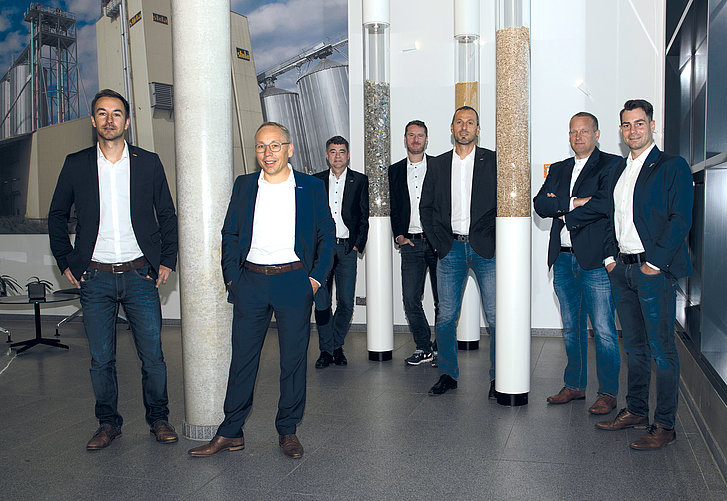
Low temperature, continuous dryer, circulating dryer – not sure what’s the best choice for you? Our experienced colleagues will be happy to help you find the best solution for your product. Please feel free to contact us without obligation.

Telephone +49 8724 899-10
Email sales[at]stela.de

See all contact persons

Waben Hintergrund